





What Is The 3D LED Display And Future Of The 3D LED Display?
 Apr 23, 2023|
 3D LED display is a type of visual technology that presents images, videos, or graphics in three dimensions using light-emitting diodes (LEDs) as the primary display components. Unlike traditional 2D displays that only show flat images, 3D LED displays create the illusion of depth, allowing viewers to perceive objects and scenes as if they were three-dimensional.
There are a few different approaches to achieving 3D effects with LED displays:
Glasses-Based 3D: In this method, viewers wear special glasses that separate the left and right images presented by the display. The display alternates between left-eye and right-eye images, and the glasses ensure that each eye sees the corresponding image. This creates a stereoscopic effect that tricks the brain into perceiving depth.

Autostereoscopic 3D: Autostereoscopic displays, also known as glasses-free 3D displays, don't require viewers to wear special glasses. They use various techniques, such as lenticular lenses or parallax barriers, to direct different images to each eye without the need for additional eyewear. This approach is often used in public spaces for advertising and informational displays.

Holographic 3D: Holographic displays use a combination of optics, lasers, and sometimes even physical interference patterns to create truly three-dimensional images that appear to float in space. These displays can provide a more realistic sense of depth and are often used for specialized applications like medical imaging and scientific visualization.
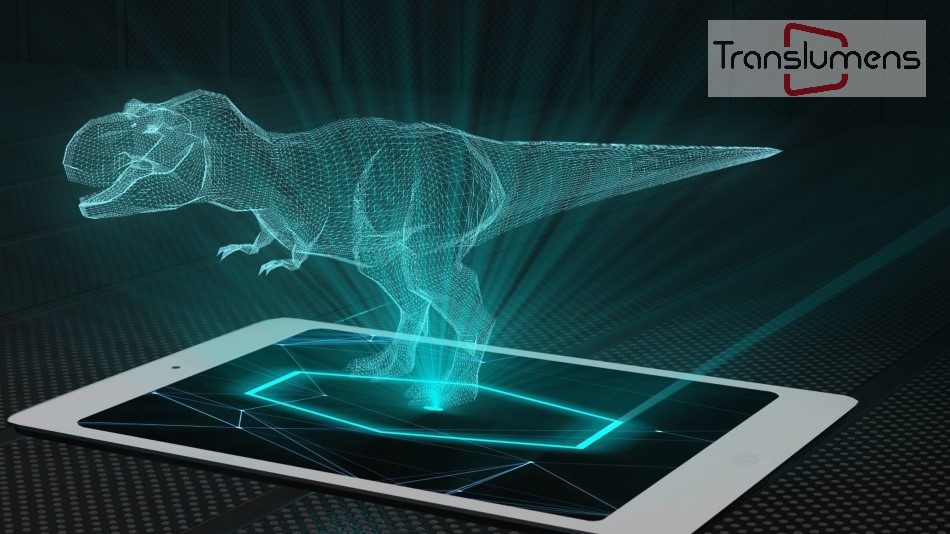
3D LED displays have been used in a variety of contexts, including entertainment, advertising, education, design, medical imaging, and more. They offer a more immersive experience compared to traditional 2D displays, allowing for enhanced visualization and engagement. However, they often come with challenges related to viewing angles, image quality, and the complexity of producing accurate 3D content.
It's worth noting that technology in the field of displays is constantly evolving, and newer advancements beyond my knowledge cutoff in September 2021 might have led to even more sophisticated and refined 3D LED display technologies.
The future of 3D LED displays appears promising, driven by advancements in technology and evolving consumer demands. Market analysis and emerging trends suggest several key directions for the development of 3D LED displays:
Improved Visual Experience: As technology continues to progress, 3D LED displays are expected to offer even more realistic and immersive visual experiences. This could involve higher resolutions, enhanced color accuracy, and better depth perception, leading to a more convincing 3D effect.
Wider Adoption in Entertainment: The entertainment industry, including gaming, movies, and virtual reality, will likely drive the demand for 3D LED displays. Gamers and enthusiasts seek a more immersive gaming experience, while filmmakers explore new ways to engage audiences through visually striking 3D content.
Commercial and Advertising Applications: 3D LED displays are likely to find applications in commercial spaces and advertising. These displays can attract attention and engagement due to their three-dimensional nature, potentially leading to increased customer interaction and brand recall.
Healthcare and Education: In sectors such as healthcare and education, 3D displays could play a significant role in enhancing visualization for medical procedures, anatomical study, and educational content. This would allow for more detailed and interactive learning experiences.
Miniaturization and Mobility: The trend of miniaturization in technology may extend to 3D LED displays, making them more accessible in portable devices like smartphones, tablets, and AR/VR glasses. This would open up new possibilities for personal entertainment and professional applications.
Holographic Displays: While not strictly LED displays, holographic technology could influence the future of 3D displays. Researchers are exploring ways to create true holographic displays that offer an unprecedented level of depth and realism.
Energy Efficiency: The ongoing push for energy-efficient technology could lead to the development of 3D LED displays that consume less power while maintaining high performance. This could be achieved through advancements in LED technology and display optimization.
Integration with AI and IoT: Integration with artificial intelligence and the Internet of Things (IoT) could enable smart features within 3D LED displays. This might include dynamic content adaptation based on viewer preferences or real-time interaction with other smart devices.
Affordability and Market Penetration: As technology matures and economies of scale come into play, the cost of producing 3D LED displays may decrease. This could lead to wider market penetration, making 3D displays more accessible to consumers.
Challenges and Competition: Despite these potential trends, challenges remain, including content creation for 3D displays and competition from other display technologies like OLED and MicroLED. Overcoming these challenges will be essential for the sustained growth of 3D LED displays.
In conclusion, the future of 3D LED displays holds great promise, with improvements in visual quality, expanded applications, and integration with emerging technologies. As consumer preferences evolve and technology advances, 3D LED displays are likely to become an integral part of various industries, enhancing experiences and interactions in diverse ways.