




What is the heat dissipation performance of P16 LED Modules?
 Jul 31, 2025|
As a supplier of P16 LED Modules, I've received numerous inquiries about the heat dissipation performance of these modules. Heat dissipation is a critical factor in the performance and longevity of LED modules, as excessive heat can lead to reduced brightness, color shift, and even premature failure. In this blog post, I'll delve into the heat dissipation performance of P16 LED Modules, exploring the factors that affect it and the measures we've taken to ensure optimal performance.
Understanding the Basics of Heat Generation in LED Modules
Before we discuss the heat dissipation performance of P16 LED Modules, it's essential to understand how heat is generated in LED modules. LEDs, or light-emitting diodes, are semiconductor devices that convert electrical energy into light. However, not all of the electrical energy is converted into light; a significant portion is converted into heat. This heat generation is a natural byproduct of the LED operation and can be influenced by several factors, including the electrical current, the efficiency of the LED chips, and the ambient temperature.
The electrical current flowing through the LED chips is one of the primary factors affecting heat generation. As the current increases, the power dissipated by the LEDs also increases, leading to more heat generation. Additionally, the efficiency of the LED chips plays a crucial role in heat generation. Less efficient LED chips convert a larger portion of the electrical energy into heat, resulting in higher operating temperatures. Finally, the ambient temperature can also impact the heat generation in LED modules. Higher ambient temperatures make it more challenging for the modules to dissipate heat, leading to increased operating temperatures.
Importance of Heat Dissipation in P16 LED Modules
Effective heat dissipation is crucial for the performance and longevity of P16 LED Modules. Excessive heat can have several negative effects on the modules, including:
- Reduced Brightness: As the temperature of the LED chips increases, their brightness decreases. This is because the efficiency of the LEDs decreases with increasing temperature, resulting in less light output.
- Color Shift: Heat can also cause a color shift in the LED modules. The color of the LEDs is determined by the wavelength of the light they emit, which can be affected by temperature. As the temperature increases, the wavelength of the light emitted by the LEDs can shift, leading to a change in color.
- Premature Failure: Excessive heat can also lead to premature failure of the LED modules. High temperatures can cause the components of the modules to degrade more quickly, reducing their lifespan.
To ensure optimal performance and longevity of P16 LED Modules, it's essential to have an effective heat dissipation system in place.
Factors Affecting the Heat Dissipation Performance of P16 LED Modules
Several factors can affect the heat dissipation performance of P16 LED Modules, including:
- Module Design: The design of the P16 LED Modules plays a crucial role in heat dissipation. Modules with a well-designed heat sink can effectively transfer heat away from the LED chips, reducing their operating temperatures. Additionally, the layout of the components within the modules can also impact heat dissipation. A more compact layout can lead to better heat transfer, while a more spread-out layout can result in higher operating temperatures.
- Material Selection: The materials used in the construction of the P16 LED Modules can also affect their heat dissipation performance. High-quality materials with good thermal conductivity, such as aluminum, can effectively transfer heat away from the LED chips. Additionally, the use of materials with low thermal resistance can also improve heat dissipation.
- Ventilation: Proper ventilation is essential for effective heat dissipation in P16 LED Modules. Modules installed in well-ventilated areas can dissipate heat more easily, reducing their operating temperatures. On the other hand, modules installed in enclosed spaces or areas with poor ventilation can experience higher operating temperatures, leading to reduced performance and longevity.
Our Approach to Ensuring Optimal Heat Dissipation in P16 LED Modules
As a supplier of P16 LED Modules, we understand the importance of effective heat dissipation in ensuring the performance and longevity of our products. To ensure optimal heat dissipation in our P16 LED Modules, we've taken several measures, including:
- Advanced Module Design: Our P16 LED Modules are designed with a focus on heat dissipation. We use a high-quality heat sink that is specifically designed to transfer heat away from the LED chips efficiently. Additionally, the layout of the components within the modules is optimized to ensure maximum heat transfer.
- High-Quality Materials: We use only the highest quality materials in the construction of our P16 LED Modules. Our heat sinks are made of aluminum, which has excellent thermal conductivity. Additionally, we use materials with low thermal resistance to ensure efficient heat transfer.
- Proper Ventilation Design: Our P16 LED Modules are designed to be installed in well-ventilated areas. We provide detailed installation instructions to ensure that our customers install the modules in areas with proper ventilation. Additionally, we offer optional ventilation accessories, such as fans and vents, to further improve heat dissipation in areas with poor ventilation.
Comparing P16 LED Modules with Other LED Modules
When considering the heat dissipation performance of P16 LED Modules, it's also helpful to compare them with other LED modules, such as P10 LED Display Modules and P10 DIP LED Display Modules.
P16 LED Modules typically have a larger pixel pitch compared to P10 LED Modules. This means that they have fewer LED chips per unit area, resulting in less heat generation. However, the larger pixel pitch also means that the modules may require more power to achieve the same brightness as P10 LED Modules, which can offset the reduced heat generation.
P10 DIP LED Display Modules use DIP (Dual In-line Package) LEDs, which have a different structure compared to the SMD (Surface Mount Device) LEDs used in P16 LED Modules. DIP LEDs generally have a lower power consumption and generate less heat compared to SMD LEDs. However, they also have a lower brightness and a less uniform display compared to SMD LEDs.
In terms of heat dissipation, each type of LED module has its own advantages and disadvantages. The choice between P16 LED Modules, P10 LED Display Modules, and P10 DIP LED Display Modules depends on the specific requirements of the application, such as the desired brightness, resolution, and viewing distance.
Conclusion
In conclusion, the heat dissipation performance of P16 LED Modules is a critical factor in their performance and longevity. Excessive heat can lead to reduced brightness, color shift, and premature failure of the modules. To ensure optimal heat dissipation, it's essential to consider factors such as module design, material selection, and ventilation.
As a supplier of P16 LED Modules, we've taken several measures to ensure the optimal heat dissipation performance of our products. Our advanced module design, high-quality materials, and proper ventilation design help to keep the operating temperatures of our P16 LED Modules within acceptable limits, ensuring reliable and long-lasting performance.

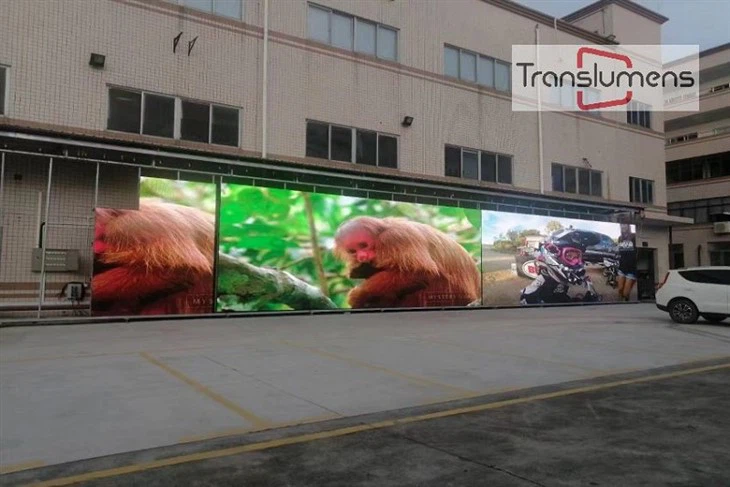
If you're interested in learning more about our P16 LED Modules or have any questions about their heat dissipation performance, please don't hesitate to contact us. We're here to help you find the best LED solutions for your needs and ensure that you get the most out of your investment.
References
- "LED Lighting Handbook" by R. Schubert and E. F. Schubert
- "Heat Transfer in Electronic Equipment" by A. Bar-Cohen and W. M. Rohsenow