




What are the specific requirements for a perimeter LED display in a sports arena?
 Jul 24, 2025|
 As a supplier of perimeter LED displays, I've had the privilege of working on numerous projects in sports arenas. These arenas demand high - performance LED displays to enhance the spectator experience and meet the needs of modern sports events. In this blog, I'll delve into the specific requirements for a perimeter LED display in a sports arena.
Visibility and Viewing Angles
One of the most critical requirements for a perimeter LED display in a sports arena is excellent visibility. The display should be clearly visible from all seats in the arena, regardless of the distance or viewing angle. This means that the LEDs need to have a high brightness level. For large - scale sports arenas, a brightness of at least 5000 nits is often recommended. High brightness ensures that the content on the display can be seen even in well - lit arenas or under direct sunlight during outdoor events.
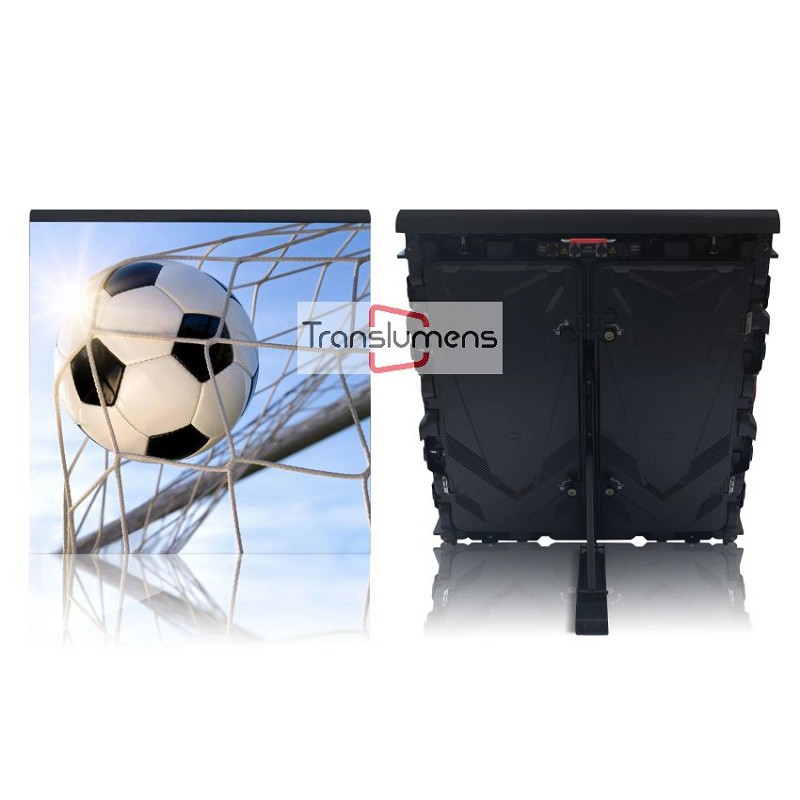
Moreover, the display must have wide viewing angles. A horizontal viewing angle of at least 140 degrees and a vertical viewing angle of 120 degrees is ideal. This allows spectators in different sections of the arena, including those in the upper levels and the sides, to have a clear view of the display. Our P10 Sport Stadium LED Display is designed with these high - brightness and wide - viewing - angle features, ensuring that every spectator can enjoy the content on the screen.
Durability and Weather Resistance
Sports arenas are dynamic environments. The perimeter LED displays are exposed to various physical impacts, vibrations, and environmental factors. Therefore, durability is a key requirement. The display should be able to withstand the constant movement and vibrations caused by the crowd, as well as any accidental impacts from sports equipment.
In addition, weather resistance is crucial, especially for outdoor arenas. The display must be able to operate in a wide range of temperatures, from extreme cold to high heat. It should also be protected against moisture, dust, and UV rays. A good IP (Ingress Protection) rating is essential. For outdoor applications, an IP65 rating is recommended, which means the display is dust - tight and protected against low - pressure water jets from any direction. Our P6.67 Sport Stadium LED Screen is built with a robust frame and high - quality materials to ensure long - term durability and excellent weather resistance.
High - Speed Refresh Rate
In sports, action happens in an instant. To accurately capture and display fast - moving images, such as players' movements, ball trajectories, and replays, the perimeter LED display needs a high - speed refresh rate. A refresh rate of at least 1920 Hz is recommended for sports applications. A high refresh rate eliminates motion blur and ensures that the images on the display are sharp and clear, even during high - speed action. This is crucial for providing an immersive viewing experience for the spectators and for ensuring that the information on the screen is accurate and easy to read.
Color Accuracy and Uniformity
Color accuracy is essential for a perimeter LED display in a sports arena. The display should be able to reproduce colors accurately, whether it's the team colors, the advertising logos, or the live video feeds. This requires high - quality LEDs and advanced color - calibration technology. The color gamut of the display should be wide enough to cover a large portion of the visible spectrum, ensuring that the colors look vibrant and true - to - life.
In addition to color accuracy, color uniformity is also important. The display should have consistent color across the entire screen. Any color variations or unevenness can be distracting for the spectators and can affect the overall visual quality. Our P6 Stadium LED Display uses advanced color - management systems to ensure both high - color accuracy and excellent color uniformity.
Easy Installation and Maintenance
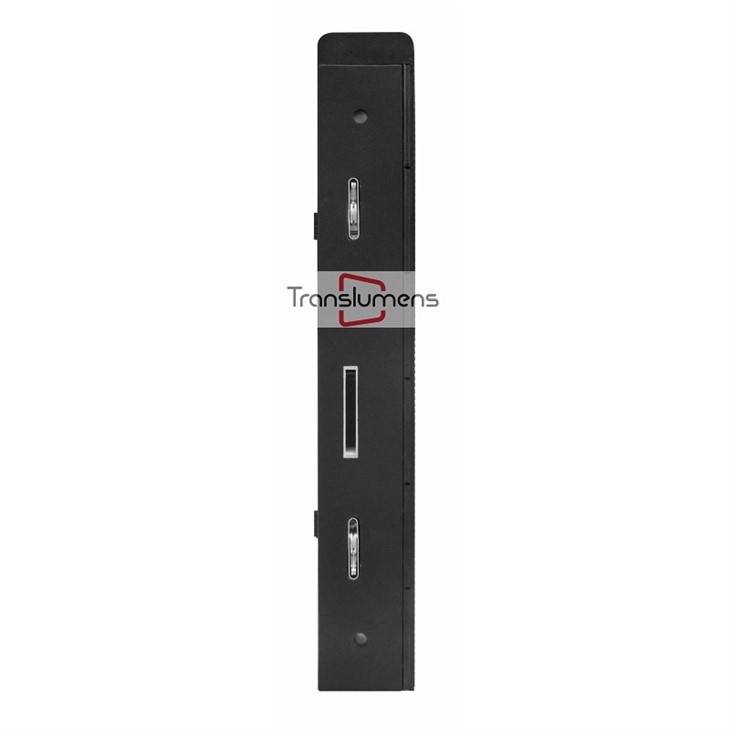
When it comes to installing a perimeter LED display in a sports arena, ease of installation is a significant factor. The display should be designed in a modular way, allowing for quick and straightforward installation. This reduces the installation time and minimizes the disruption to the arena's normal operations.
Maintenance is also an important consideration. The display should be easy to access for routine maintenance and repairs. It should have a user - friendly interface for controlling and monitoring the display's performance. Additionally, the components of the display should be easily replaceable, which reduces the downtime in case of any malfunctions.
Compatibility with Different Content Sources
Sports arenas use a variety of content sources, including live video feeds from multiple cameras, scoreboards, advertising materials, and social media feeds. The perimeter LED display should be compatible with all these different content sources. It should support a wide range of input interfaces, such as HDMI, DVI, VGA, and DisplayPort. This allows for seamless integration with the arena's existing media systems and ensures that the display can display different types of content without any compatibility issues.
Energy Efficiency
With the increasing focus on sustainability, energy efficiency is becoming an important requirement for perimeter LED displays in sports arenas. An energy - efficient display not only reduces the operating costs but also has a lower environmental impact. The display should use high - efficiency LEDs and advanced power - management systems to minimize energy consumption. This can be achieved through features such as automatic brightness adjustment based on the ambient light conditions.
Customization Options
Every sports arena has its own unique requirements and design specifications. Therefore, the perimeter LED display should offer customization options. This includes the size, shape, and resolution of the display. The display can be customized to fit the specific layout of the arena, whether it's a rectangular, curved, or irregular - shaped perimeter. Customization also allows for the integration of special features, such as interactive elements or augmented reality applications, to enhance the spectator experience.
Conclusion
In conclusion, a perimeter LED display in a sports arena needs to meet a wide range of specific requirements, including visibility, durability, high - speed refresh rate, color accuracy, and more. As a supplier, we understand these requirements and are committed to providing high - quality, customized solutions. Our products, such as the P10 Sport Stadium LED Display, P6.67 Sport Stadium LED Screen, and P6 Stadium LED Display, are designed to meet the highest standards in the sports industry.
If you're in the market for a perimeter LED display for your sports arena, we'd love to discuss your specific needs. Our team of experts can provide you with detailed information and customized solutions to ensure that your arena has the best - in - class LED display. Contact us today to start the procurement and negotiation process.
References
- "LED Display Technology for Sports Venues" - Journal of Sports Technology
- "Best Practices for Perimeter LED Displays in Arenas" - International Sports Arena Association