




How to set up a multi - screen indoor fixed LED display system?
 May 27, 2025|
 Hey there! As a supplier of Indoor Fixed LED Displays, I've had the pleasure of helping numerous clients set up their multi - screen indoor fixed LED display systems. In this blog, I'll walk you through the process step by step, sharing some tips and tricks along the way.
Step 1: Define Your Goals
Before you start shelling out cash for an LED display system, you gotta figure out what you want to achieve. Are you looking to grab people's attention in a shopping mall, display important information in a corporate lobby, or create an immersive experience in a theater? Your goals will determine the size, resolution, and features of your display system.
For instance, if you're aiming to display high - definition videos in a large public space, you'll need a display with a high pixel density. On the other hand, if you're just showing simple text and graphics, a lower - resolution display might do the trick.
Step 2: Choose the Right LED Screens
Once you've defined your goals, it's time to pick the right LED screens. There are several factors to consider here, such as pixel pitch, brightness, and color accuracy.
Pixel pitch refers to the distance between the centers of two adjacent pixels. A smaller pixel pitch means a higher pixel density and better image quality. For indoor applications, you might want to consider screens like the P2.5 Indoor LED Screen or the P4.81 Indoor LED Screen Panel. These screens offer a good balance between image quality and cost.

Brightness is another important factor. You'll need to choose a screen with the right brightness level for your environment. If your display will be in a well - lit area, you'll need a brighter screen. Conversely, if it's in a dimly lit room, a lower - brightness screen will suffice.
Color accuracy is crucial, especially if you're displaying images or videos. Look for screens that offer a wide color gamut and accurate color reproduction.
Step 3: Plan Your Layout
The layout of your multi - screen system is key to its effectiveness. You need to think about how the screens will be arranged and how they'll work together to convey your message.
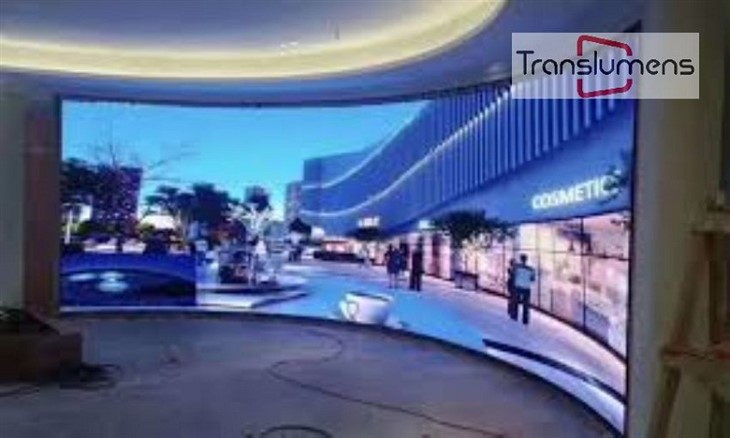
There are several layout options available, such as a single large screen, a tiled display, or a curved display. A single large screen is great for making a bold statement, while a tiled display can create a more immersive experience. A curved display can add a unique touch and draw the viewer's attention.
When planning your layout, consider the viewing angle and the distance from the viewer. You want to make sure that everyone in the area can see the display clearly.
Step 4: Select the Right Mounting and Support
Once you've chosen your screens and planned your layout, it's time to select the right mounting and support system. You need to make sure that your screens are securely mounted and properly supported.
There are several types of mounting options available, such as wall - mounted, floor - standing, and ceiling - mounted. Wall - mounted displays are a popular choice for indoor applications, as they save space and can be easily installed. Floor - standing displays are great for large public spaces, while ceiling - mounted displays can be used to create a unique visual effect.
Make sure to choose a mounting system that is compatible with your screens and your layout. You might also want to consider adding additional support, such as brackets or frames, to ensure the stability of your display system.
Step 5: Install the LED Displays
Now comes the fun part - installing the LED displays! This is a job that requires some technical expertise, so if you're not comfortable doing it yourself, it's best to hire a professional installer.
Before you start the installation, make sure you have all the necessary tools and equipment. You'll also need to follow the manufacturer's instructions carefully to ensure a proper installation.
During the installation, pay close attention to the alignment of the screens. You want to make sure that the seams between the screens are as invisible as possible. You'll also need to connect the power and data cables properly to ensure that the displays work correctly.
Step 6: Configure the Display System
Once the displays are installed, it's time to configure the display system. This involves setting up the software and adjusting the settings to get the best possible image quality.
You'll need to connect the displays to a controller, which will allow you to manage and control the content on the screens. The controller can be a dedicated device or a software application running on a computer.
You'll also need to adjust the settings such as brightness, contrast, and color temperature to match your environment and your content. This might take some trial and error, but it's worth the effort to get the best results.
Step 7: Test and Optimize
After you've configured the display system, it's important to test it thoroughly. Check for any dead pixels, color discrepancies, or other issues. Make sure that the content is displayed correctly on all the screens.
If you notice any problems, don't panic. Most issues can be easily fixed by adjusting the settings or replacing a faulty component. You might also want to optimize the content for your display system. This could involve resizing the images, adjusting the aspect ratio, or using a different format.
Step 8: Maintenance and Support
Once your multi - screen indoor fixed LED display system is up and running, it's important to maintain it properly. This includes regular cleaning, checking the connections, and updating the software.
Make sure to follow the manufacturer's maintenance recommendations to ensure the longevity of your display system. You might also want to consider purchasing a maintenance contract or support plan to get professional help when you need it.
Conclusion
Setting up a multi - screen indoor fixed LED display system might seem like a daunting task, but with the right planning and execution, it can be a rewarding experience. By following these steps, you can create a stunning display system that will grab people's attention and achieve your goals.
If you're interested in purchasing an Indoor Fixed LED Display system or need more information, feel free to reach out. We're here to help you every step of the way. Whether you're looking for a P2.5 Indoor LED Screen, a P4.81 Indoor LED Screen Panel, or a P10 Indoor LED Video Display, we've got you covered. Let's start a conversation and bring your vision to life!
References
- General knowledge from the LED display industry
- Experience as an Indoor Fixed LED Display supplier